How Stress & Sleep Patterns in Seattle Can Weaken Your Gums
This is a subtitle for your new post
In a city like Seattle, busy schedules, long workdays, traffic, screen time, and irregular sleep can affect more than your energy levels. Stress and poor sleep may also take a real toll on your oral health, especially your gums. If your gums feel tender, look swollen, or bleed when you brush, your daily stress levels and sleep habits could be part of the problem.
The Connection Between Stress and Gum Health
When your body is under ongoing stress, it can respond with inflammation. That matters because gum disease is also an inflammatory condition. If your immune system is already working overtime due to stress, it may have a harder time fighting off the bacteria that collect around your gumline.
Stress can also lead to habits that make gum problems worse, including:
- Clenching or grinding your teeth
- Skipping brushing or flossing when you feel exhausted
- Eating more sugary or processed foods
- Smoking or vaping more often
- Drinking more coffee and less water
Over time, these patterns can increase plaque buildup and irritate your gums, making it easier for gingivitis to develop and progress.
Why Poor Sleep Can Affect Your Gums
Sleep is when your body repairs and restores itself. When you do not get enough quality sleep, your immune system may not function as efficiently. That can make it harder for your body to control inflammation and bacteria in your mouth.
Poor sleep can also contribute to:
- Dry mouth from mouth breathing or disrupted sleep
- More frequent teeth grinding at night
- Increased cravings for sugary snacks and drinks
- Lower energy for keeping up with healthy routines
If you are consistently getting poor sleep, your gums may become more vulnerable to irritation, infection, and slow healing.
Common Signs Your Gums May Be Suffering
If stress and poor sleep are affecting your oral health, you may notice:
Bleeding When Brushing or Flossing
Healthy gums should not bleed regularly. Bleeding is often one of the earliest signs of gum inflammation.
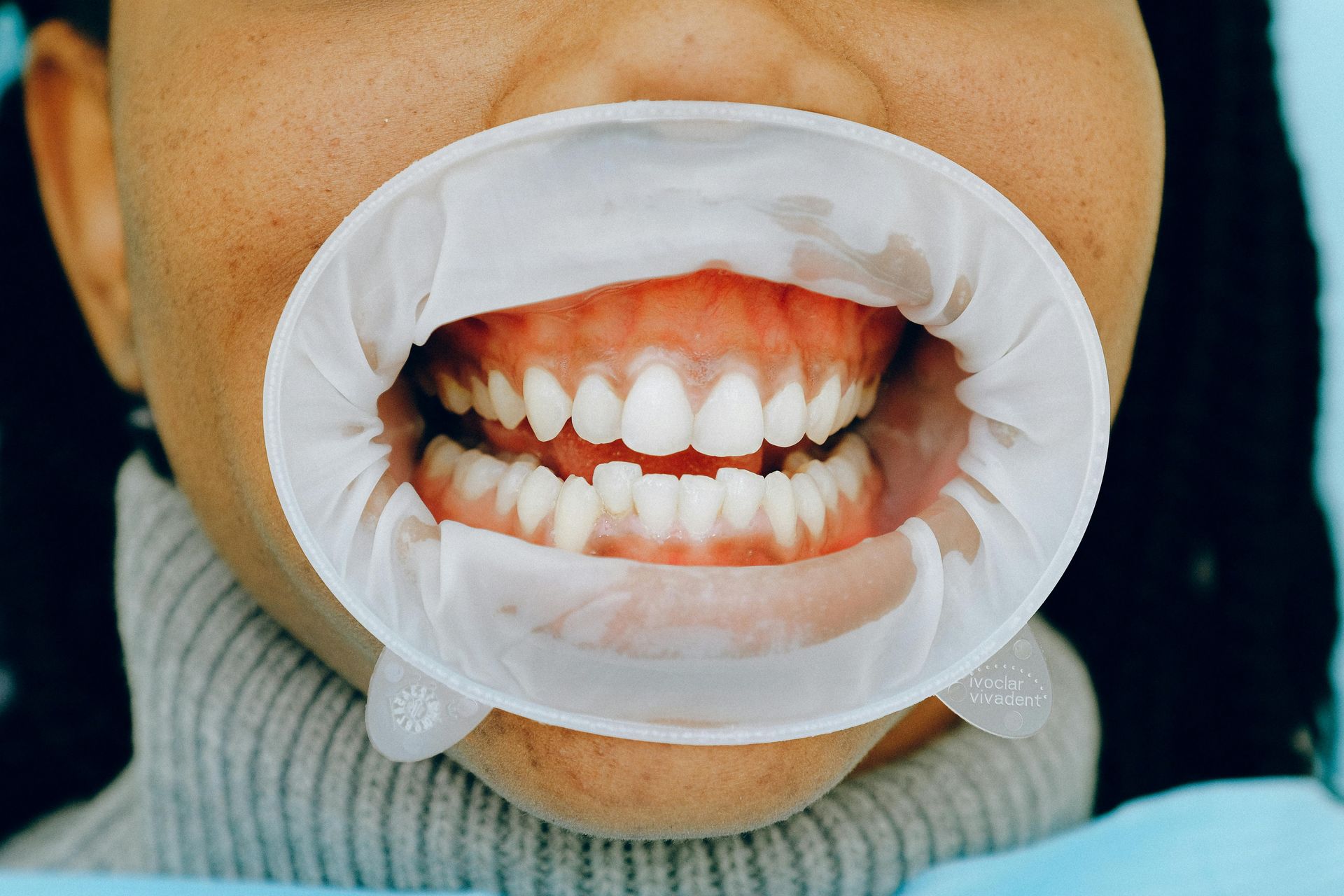
Red, Swollen, or Tender Gums
Inflamed gums may look puffy, feel sore, or seem more sensitive than usual.
Chronic Bad Breath
Lingering bad breath can be a sign that bacteria are building up below the gumline.
Receding Gums
When gum disease advances, the gum tissue may start to pull away from the teeth.
Jaw Soreness or Morning Headaches
These symptoms can point to nighttime grinding, which is often linked to stress and poor sleep.
Seattle Lifestyles Can Make It Easy to Overlook Gum Health
Many Seattle-area patients balance demanding jobs, family schedules, commuting, and packed calendars. When life gets busy, oral health routines can slip. Missing flossing for a few days may not seem like a big deal, but when stress and lack of sleep are also involved, your gums may be less able to recover.
If you already have early gum inflammation, those lifestyle factors can make the problem worse faster than you might expect.
How to Protect Your Gums During Stressful Times
Even small changes can help support healthier gums.
Stay Consistent With Brushing and Flossing
Brush twice a day with a soft-bristled toothbrush and floss daily. Consistency matters, especially when stress is high.
Keep Regular Dental Cleanings
Professional cleanings remove plaque and tartar that brushing alone cannot handle.
Drink More Water
Water helps reduce dry mouth and rinse away food particles and bacteria.
Watch for Teeth Grinding
If you wake up with jaw tension or headaches, you may be grinding your teeth in your sleep.
Improve Your Sleep Routine
A more regular bedtime, less screen time before bed, and better sleep habits may help both your overall health and your gum health.
Do Not Ignore Early Symptoms
Bleeding gums, tenderness, and swelling are warning signs. Early treatment is always easier than waiting until the problem worsens.
When to See a Dentist About Gum Problems
If your gums bleed often, feel sore, or seem to be pulling away from your teeth, it is a good idea to schedule an exam. Gum disease can begin quietly, but it can lead to more serious problems if left untreated. Early care can help protect your gums, teeth, and long-term oral health.
At Aurora Dental Care, we help Seattle patients identify the early signs of gum disease and create treatment plans to restore healthier gums. If stress, poor sleep, or changes in your routine may be affecting your oral health, our team is here to help.